Corporate Lodging: Complete Guide, Benefits, and Real-World Use Cases for Businesses
Corporate lodging refers to specialized hotel and accommodation solutions designed for businesses and their employees. Unlike traditional hotel bookings made by individuals, corporate lodging programs are structured agreements between businesses and lodging providers. These programs allow organizations to secure better rates, ensure consistency in employee lodging experiences, and streamline the administrative process of managing workforce travel.
Businesses that rely heavily on travel, such as construction firms, trucking fleets, utility companies, and corporate offices, often find that standard hotel reservations are too costly and time-consuming. Corporate lodging provides a tailored solution that balances cost efficiency, convenience, and employee satisfaction. It is more than just booking a room; it is about creating an organized system that meets the needs of both employers and employees.
How Corporate Lodging Works
Corporate lodging functions as a partnership between a business and lodging providers, usually coordinated through a corporate lodging company or network. Companies enroll their workforce into the lodging program, and employees are then able to check in at participating hotels using a corporate lodging card or account system.
The charges are billed directly to the company, eliminating the need for employees to pay upfront or handle reimbursements. For employers, the program creates centralized billing, detailed reporting, and negotiated hotel rates that significantly reduce travel expenses.
Employees benefit from easy check-ins, access to vetted hotels, and the assurance that their lodging needs are covered without personal financial strain. In practice, corporate lodging creates a seamless system that connects employers, employees, and hotels into one streamlined network.
Key Benefits of Corporate Lodging
Cost Savings Through Negotiated Rates

One of the most significant advantages of corporate lodging is cost savings. Corporate lodging providers negotiate rates with hotel chains and independent properties, leveraging the volume of bookings across multiple clients. These negotiated rates are often lower than public hotel prices, which results in substantial savings for businesses.
Beyond nightly rates, companies also save by avoiding hidden fees, cancellation penalties, and the administrative costs associated with managing numerous individual bookings. This financial efficiency becomes especially valuable for companies with large traveling workforces.
Streamlined Booking and Check-In
Corporate lodging eliminates the need for employees to book hotels on their own. Instead, they simply present a corporate lodging card or account number at participating hotels. This streamlines the check-in process, reduces delays, and ensures that workers can focus on their assignments rather than travel logistics.
For industries like trucking, construction, or utilities, where schedules often change without warning, this flexibility ensures that employees always have reliable accommodations without unnecessary stress.
Centralized Billing and Reporting
A powerful benefit of corporate lodging is centralized billing. All hotel expenses are consolidated into one account, simplifying financial tracking and reporting. Employers can access detailed breakdowns of where employees stayed, how much was spent, and trends in travel activity.
This level of reporting supports better budgeting, compliance with company policies, and greater transparency. Finance teams no longer have to manage hundreds of individual receipts, which reduces administrative workload and the potential for errors.
Real-World Examples of Corporate Lodging in Action
Example 1: Construction Companies Managing Large Crews

Construction companies frequently move crews to new project sites in different regions. Before adopting corporate lodging, workers often had to pay for their own hotel rooms and later file reimbursement requests. This created delays, financial stress, and inconsistent lodging quality.
By implementing a corporate lodging program, construction companies provided employees with pre-approved access to hotels near job sites. The centralized billing ensured all expenses were tracked, and the negotiated rates reduced lodging costs by thousands of dollars annually. Employees benefited from hassle-free check-ins and consistent hotel standards.
Example 2: Trucking and Logistics Fleets
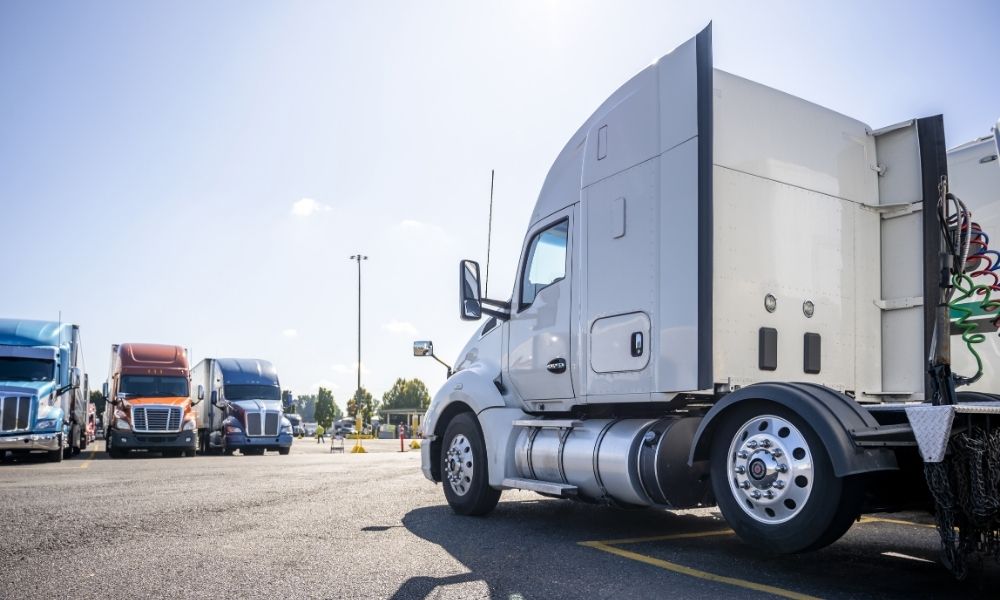
For trucking companies, drivers spend extended periods on the road and require accommodations in various locations. Without corporate lodging, costs were unpredictable, and drivers often had to pay out of pocket.
Through corporate lodging programs, trucking fleets secured reliable hotel stays across the country. Drivers appreciated not having to use personal funds, while fleet managers had real-time access to lodging data. This not only improved driver satisfaction but also aligned lodging expenses with route planning and operational budgets.
Example 3: Utility and Energy Companies
Utility companies and energy providers often send crews to remote locations or disaster zones where lodging availability is unpredictable. Traditional booking methods were not flexible enough to handle these urgent needs.
Corporate lodging programs allowed utility workers to quickly secure hotel rooms at partner hotels, even during emergencies. Since billing was centralized, the company could focus on response efforts without being distracted by complex hotel logistics. The ability to rapidly place employees in safe and affordable accommodations became a major advantage during high-pressure situations.
Example 4: Government Agencies and Nonprofits

Government agencies and nonprofits frequently organize training, outreach programs, and fieldwork requiring employee lodging. Budget compliance and accountability are crucial in these organizations.
Corporate lodging solutions provided a clear audit trail of travel expenses, allowing agencies to remain compliant with financial regulations. The centralized system also ensured consistency in lodging quality, which was important for worker safety and productivity during field assignments.
Practical Use Cases of Corporate Lodging
Corporate lodging is not only a cost-saving measure but also a problem-solving tool for industries with unique travel challenges. Some of the most common use cases include:
- Managing large traveling workforces where employees move frequently between job sites.
- Eliminating out-of-pocket costs for employees, reducing financial strain, and improving morale.
- Ensuring compliance with travel policies by consolidating all bookings into an approved system.
- Providing emergency lodging during disaster response or urgent field assignments.
- Improving workforce productivity by reducing travel-related stress and ensuring safe, comfortable accommodations.
These use cases demonstrate how corporate lodging enhances both employer efficiency and employee satisfaction, making it a strategic tool for modern businesses.
Benefits of Technology in Corporate Lodging
Modern corporate lodging solutions leverage technology to further enhance efficiency and control. Digital platforms allow employers to manage bookings, monitor expenses, and generate real-time reports from a single dashboard.
Employees benefit from mobile apps that guide them to participating hotels, streamline check-in with digital IDs, and provide immediate access to booking confirmations. These tools not only reduce errors but also increase convenience for both employers and employees.
Technology also enables predictive analytics, helping businesses anticipate travel needs, budget accordingly, and identify opportunities for additional savings. The combination of corporate lodging networks and technology makes workforce travel more manageable than ever before.
Frequently Asked Questions
1. What is corporate lodging?
Corporate lodging is a program that provides businesses with negotiated hotel rates, centralized billing, and simplified check-in for employees. It ensures cost savings, consistent lodging, and easier travel management.
2. Who benefits from corporate lodging programs?
Industries with frequent workforce travel, such as construction, trucking, utilities, energy, and government, benefit the most. Both employers and employees gain from the cost savings, convenience, and streamlined processes.
3. How does corporate lodging save money for businesses?
Corporate lodging saves money by providing pre-negotiated hotel discounts, eliminating hidden fees, and reducing administrative costs through centralized billing and reporting. These combined savings make corporate lodging significantly more cost-effective than traditional hotel bookings.